A steering wheel that feels loose at highway speeds can make any drive tense. You might notice the car wandering in its lane, needing constant correction, or reacting a beat late when you turn. Sometimes the change happens slowly over months, other times it shows up right after a pothole or curb hit.
That vague, floaty feel is the car’s way of saying something in the steering or suspension is no longer as tight as it should be.
What “Loose” Steering Feels Like On the Highway
Drivers describe loose steering in a few common ways. You may find yourself moving the wheel back and forth just to keep the car centered, instead of holding a steady position. The steering wheel can have a dead zone where you turn it a little and nothing happens, then the car suddenly reacts. Crosswinds and passing trucks may push the vehicle around more than they used to, so it feels like the car never truly settles in its lane.
Common Steering Parts That Create Play in the Wheel
Several parts share the job of connecting the steering wheel to the front tires, and any looseness in that chain shows up in your hands. Inner and outer tie rod ends are a frequent culprit; when they wear, the wheels can point slightly in different directions and the car starts to wander.
A worn steering rack or gearbox, along with tired rack bushings, can also create a delay between your input and the car’s response. Ball joints and control arm bushings locate the wheel in the suspension, so when they wear out, the wheel can shift under load and give the steering a floating or unstable feel.
How Loose Steering Tends to Get Worse Over Time
Early on, you might only feel looseness on grooved pavement or in strong wind. As wear progresses, the on-center feel of the wheel fades and the car starts to pull slightly or react more than you expect when you correct.
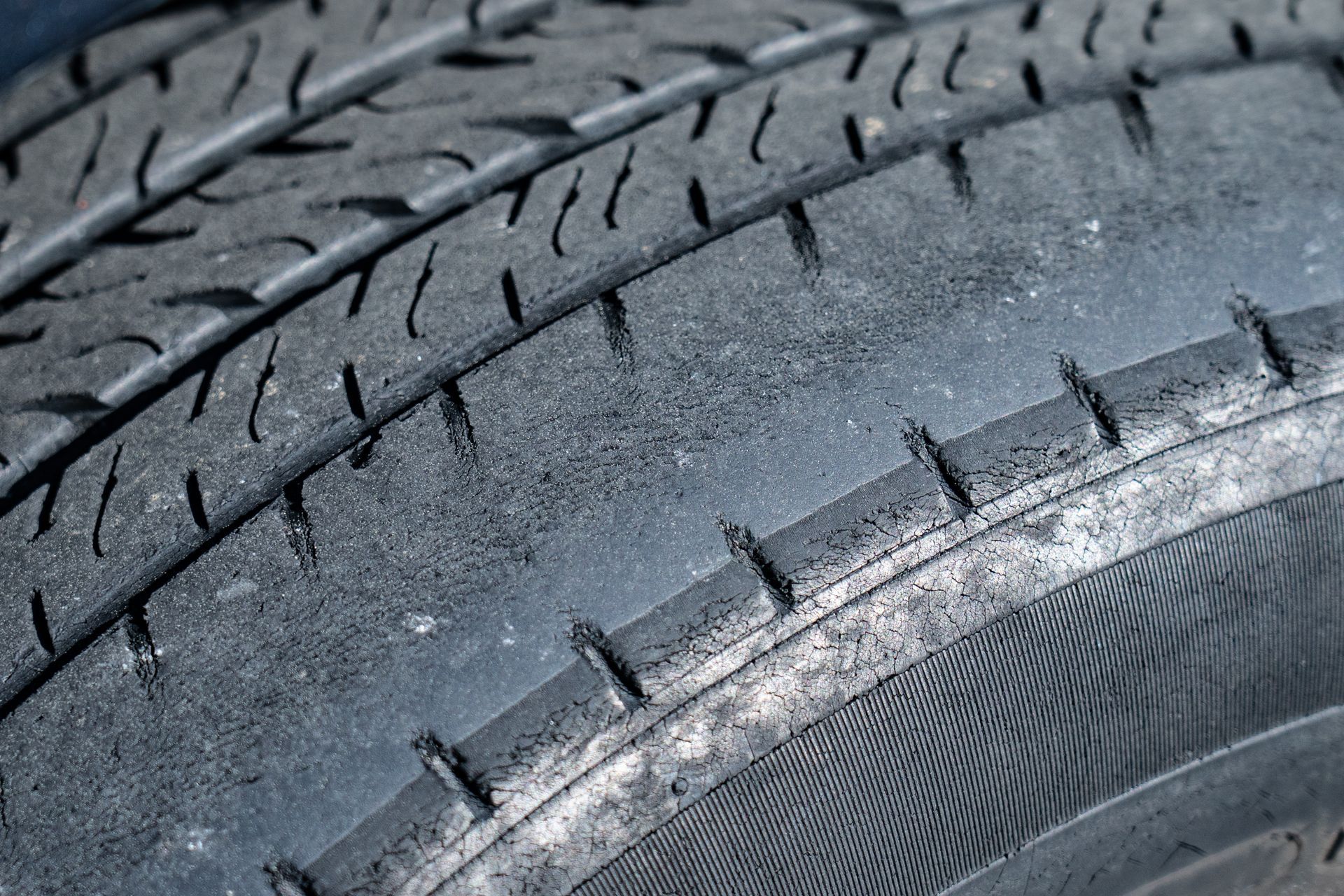
Eventually, bumps and expansion joints can cause the car to dart or wiggle as loose joints let the wheel move around. If things are ignored long enough, you can end up with clunks over bumps, visible tire feathering, and a steering wheel that never really feels settled.
When Loose Steering Becomes a Safety Concern
Not every hint of looseness means you have to park the car, but some patterns deserve quick attention. It is time to schedule an inspection soon if you are constantly correcting on the highway, the steering wheel has obvious free play, or the car feels vague when you change lanes.
Have it checked right away if you feel clunks through the wheel, hear knocking from the front end, or the vehicle suddenly darts when you hit a bump or brake hard, because at that point, high-speed driving can be risky.
Owner Habits That Make Steering Problems Worse
Everyday driving habits play a big role in how long steering and suspension parts last. We regularly see vehicles where a small amount of play could have been fixed early, but hard use turned it into a much larger repair. The big culprits tend to be:
- Hitting potholes or speed bumps faster than necessary
- Turning the steering wheel while the car is not moving
- Driving for months with poor alignment or mismatched tires
- Ignoring early signs of wandering, vibration, or uneven tire wear
Those habits will not create a problem overnight, but they keep hammering on parts that are already worn and shorten the life of any new components that are installed.
Get Steering Repair in Lilburn, GA with Apex Automotive Group
We can diagnose loose steering with a proper road test and a thorough steering and suspension inspection, so you know exactly what is causing the vague or wandering feel. We focus on the parts that matter most for safety and stability, then help you prioritize repairs so the car tracks straight again.
Call
Apex Automotive Group in Lilburn, GA, to schedule a visit and get your steering confidence back on every trip.