Overheating that shows up in traffic can feel confusing. You can cruise at highway speed with the temperature reading normal, then sit at a long light and watch the gauge creep upward. Because the car still drives fine, it’s tempting to assume it’s nothing.
In many cases, the cooling system is barely keeping up at idle, and traffic is where that weakness finally shows.
Why Overheating Shows Up At Stoplights
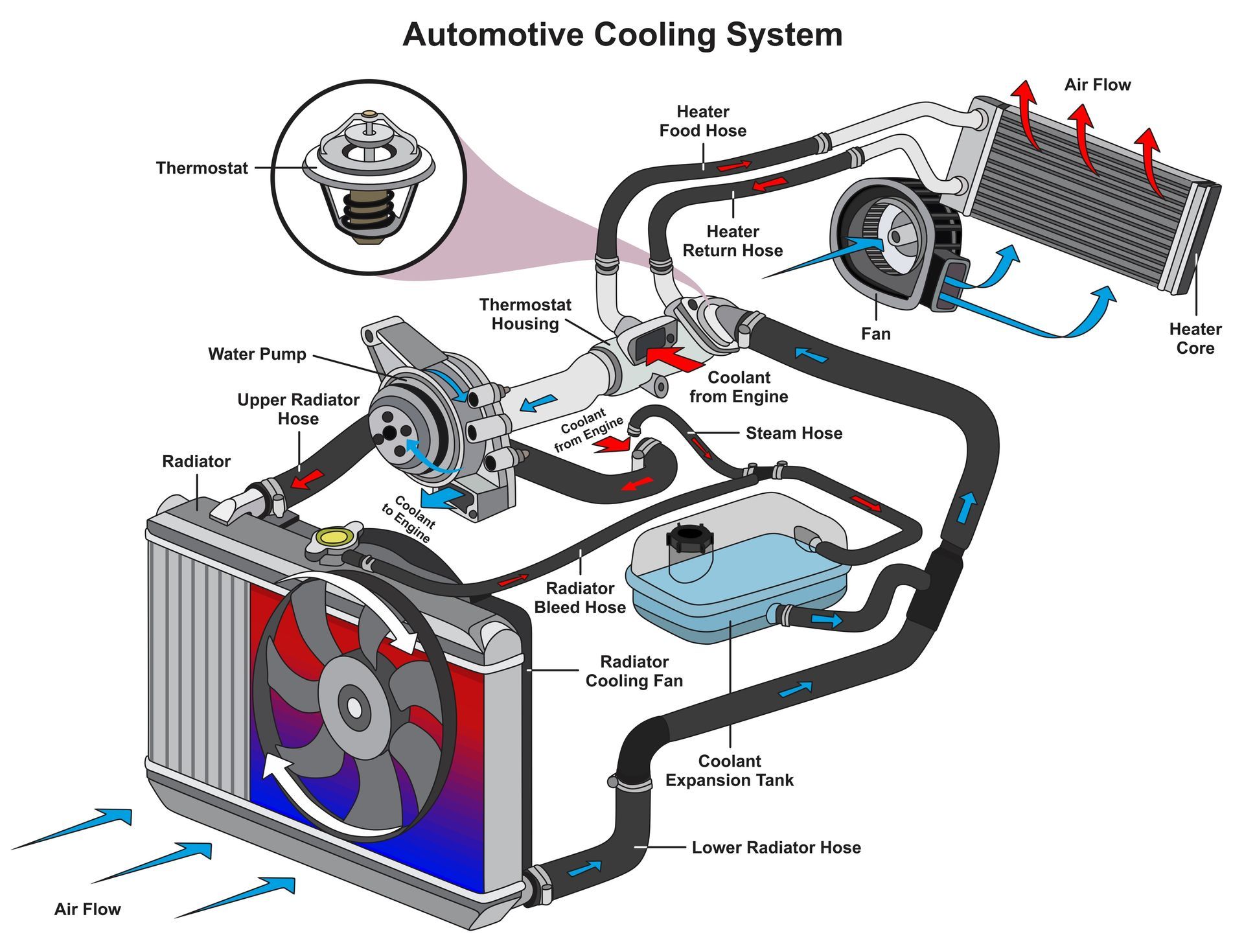
At speed, airflow through the radiator and A/C condenser does a lot of the cooling work. In stop-and-go driving, that airflow drops and the system depends more on electric fans, coolant flow, and a radiator that can shed heat. A small weakness can stay hidden until you sit in a slow queue.
Traffic can pile on extra load too. Under-hood temperatures rise, the A/C adds heat to the front of the car, and the engine spends more time idling. If one link in the chain is weak, the temperature climbs fastest when you’re sitting still.
Common Causes Of Overheating
Traffic-only overheating usually comes down to airflow, coolant circulation, or system pressure. Layouts vary between vehicles, but the failure patterns are fairly consistent. That’s why testing beats swapping parts.
Here are common culprits that fit the stop-and-go pattern:
- Cooling fans not coming on, running slowly, or cycling at the wrong times.
- Low coolant from a slow leak, or air trapped after a repair.
- A thermostat sticking or opening late.
- A radiator that is clogged internally or blocked externally with debris.
- A worn water pump that moves less coolant at low RPM.
- A weak radiator cap that cannot hold pressure, so coolant can boil sooner.
Early Clues And Escalation
Early on, you may notice the gauge running a little higher than it used to, but only in certain situations. It might happen in a drive-through line, during a long idle with the A/C on, or right after a short stop where you leave the engine running. Sometimes the heater feels cooler at idle.
As the issue progresses, the climb usually happens faster and more often. The radiator fan may sound like it’s working harder than normal, or it may not come on when you expect it to. In more severe cases, the dashboard may show a high-temperature warning, or you may see steam near the hood.
Owner Habits That Make Overheating Worse
One mistake is letting the car idle while the temperature is rising because you are trying to wait it out. Idling can be the worst case for a fan or flow problem, and the gauge can move from slightly high to dangerously hot quicker than people expect. It also helps to back off extra load when temps are climbing.
Another issue is topping off coolant repeatedly without finding the leak. That can work as a short-term bandage, but the system may keep pulling in air, and corrosion risk can increase if the coolant mix is diluted. We’ve seen a simple leak repair turn into a much bigger job after one hard overheat.
A Quick Decision Guide For What To Do
If the gauge is creeping up, reduce load. Turning the A/C off can help, and turning the heater on can pull some heat from the engine. If you can safely keep rolling, gentle airflow may bring the temperature down, but only if coolant is still circulating.
If the gauge reaches the hot zone, you get a warning message, or you see steam, pull over as soon as it is safe and shut the engine off. Do not open the coolant reservoir or radiator cap while it is hot, since pressure can release scalding coolant. Let it cool and get the cause checked before you risk another overheat.
Keeping Temperatures Stable
After repairs, keep an eye on the coolant level for a week or two. Small leaks can show up after pressure cycles, and some systems need proper bleeding to remove trapped air. Recheck for drips after longer drives.
Watch the pattern if the problem returns. Overheating only with the A/C on can point to fan control or airflow restriction, while overheating on long climbs can suggest flow or radiator efficiency. The goal is a temperature that stays steady across the same routes and conditions.
Get Cooling System Repair in Lilburn, GA with Apex Automotive Group
We can pressure-test the cooling system, verify fan operation, and confirm thermostat and water pump performance so you get a clear answer. We’ll also explain what needs attention now and what may be reasonable to monitor.
Call or schedule an appointment so we can stop the overheating before it leads to engine damage.