Not every vehicle gets driven daily. Some cars are weekend cruisers. Some are backup vehicles. Some are work trucks that sit between jobs, and some are seasonal cars that spend more time parked than moving. At our shop, we see this all the time, and it usually leads to the same frustrating moment: the car was “fine last time,” but now the battery is weak or completely dead. That is where trickle chargers enter the conversation.
A lot of drivers have heard of them, but there is still plenty of confusion around what they actually do, whether they are safe to leave connected, and whether they really help. The short answer is yes, they can be very useful for vehicles you do not drive every day. But there is a little more to it than just clipping one on and forgetting about it forever.
The truth is that a good trickle charger or battery maintainer can absolutely help protect a battery in a vehicle that sits. It can save you from repeated jump-starts, reduce battery drain problems, and help extend battery life. But it only works well when it is the right kind of charger, used the right way, for the right reason.
Why Batteries Die In Cars That Sit
A lot of people assume that if a car is turned off, the battery should just hold its charge indefinitely. That would be nice, but modern vehicles do not really work that way. Even when parked, many cars still draw a small amount of power for things like security systems, memory settings, onboard computers, keyless entry systems, and other electronics.
Over time, that small draw adds up.
If a car sits for days or weeks without being driven, the battery slowly loses charge. And if the battery was already older or weaker, it can reach a point where it no longer has enough power to start the engine. This is especially common with vehicles that are only driven short distances, since short trips often do not give the charging system enough time to fully recharge the battery.
That is why “I start it every now and then” does not always solve the problem.
What A Trickle Charger Actually Does
At a basic level, a trickle charger supplies a small amount of electricity to the battery to keep it from discharging too far while the vehicle sits. The idea is simple: instead of letting the battery slowly drain, the charger helps maintain its charge.
That said, there is an important distinction between an old-school trickle charger and a modern battery maintainer.
A basic trickle charger may continue feeding power at a steady rate the whole time it is connected. A battery maintainer, sometimes called a smart charger, monitors battery condition and adjusts the charge automatically. That second type is usually the better choice for a vehicle that sits for long periods.
From our perspective, when people say “trickle charger,” what they usually want is actually a smart maintainer.
The Best Use Case: Cars That Sit A Lot
Trickle chargers and maintainers make the most sense for vehicles that spend a lot of time parked. A daily driver usually does not need one unless there is a charging system issue or the battery keeps going low for another reason. But for cars that sit, a maintainer can be a very practical tool.
This often includes:
- Weekend or collector cars
- Seasonal convertibles
- Spare family vehicles
- Project cars
- Stored trucks or SUVs
- Vehicles parked for extended travel or medical reasons
If the car regularly sits long enough that the battery is weak when you go to start it, that is exactly the kind of situation where a maintainer earns its keep.
Why Jump-Starting Is Not A Good Long-Term Plan
We see this pattern a lot. A car sits, the battery goes weak, the owner jump-starts it, drives a little, parks it again, and then repeats the whole process the next time they need it. That may get the car going for the moment, but it is not a healthy routine for the battery.
Repeated deep discharging is hard on batteries. It shortens their life and makes them more likely to fail sooner. If your vehicle constantly needs a jump because it sits too long, that is a sign the battery is not being maintained properly between drives.
A maintainer is a much better solution than repeatedly running the battery down and reviving it.
The Wrong Charger Can Cause Problems
This is where some of the confusion comes in. Not all chargers are equally safe to leave connected. An older or very basic charger that continues charging at a fixed rate can overcharge a battery if left on too long. Overcharging creates heat, stresses the battery, and can shorten its life instead of helping it.
That is why we strongly prefer smart maintainers for long-term storage situations. A quality maintainer will charge when needed, back off when the battery is full, and keep the battery in a healthier range without constant overcharging.
So yes, a charger can help. But the wrong one, used carelessly, can do the opposite.
A Maintainer Will Not Fix A Bad Battery
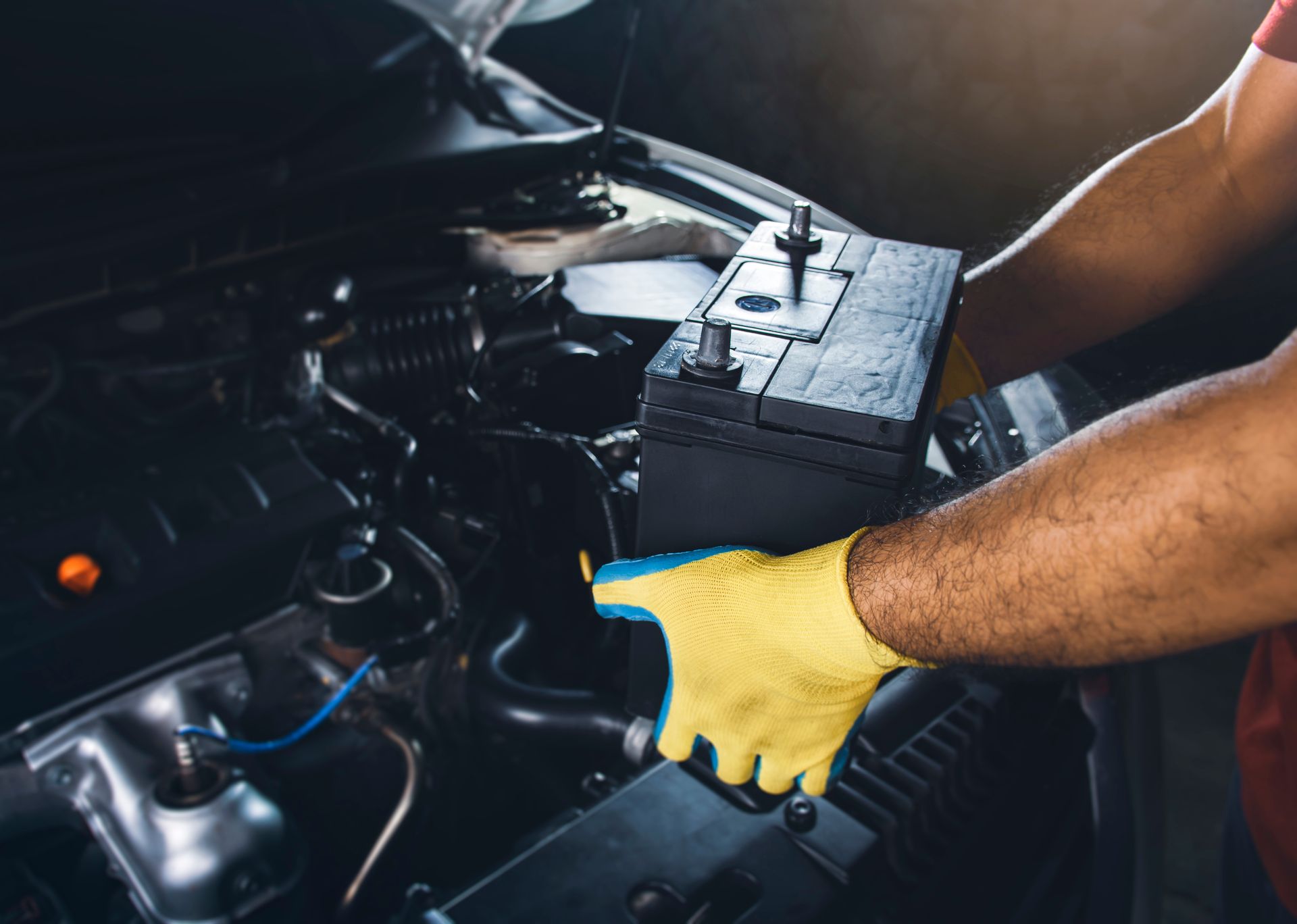
This is another important truth. A trickle charger is not a magic fix for a battery that is already failing. If the battery has a bad cell, is old and worn out, or can no longer hold a charge properly, a maintainer may keep trying, but it will not restore the battery to good health.
That means if your battery keeps going flat even with proper charging habits, or if it struggles to start the car after being maintained, the battery itself may already be at the end of its useful life.
A charger maintains a good battery. It does not reverse age or internal failure.
It Also Will Not Solve Charging System Problems
Sometimes drivers assume that if the battery keeps going down, the answer is just to put it on a charger more often. But if the vehicle has an alternator issue, excessive parasitic drain, poor battery connections, or another electrical problem, a charger is only covering the symptom.
That is why we like to step back and look at the full situation. If the car sits for weeks and the battery goes low, a maintainer makes sense. If the car is driven regularly and still keeps dying, that points more toward diagnosis than just adding a charger.
How To Use One The Smart Way
For most people, the best setup is a smart battery maintainer connected according to the manufacturer’s instructions and used in a safe, dry, well-ventilated area. If the battery is in good shape and the car sits frequently, that can work very well.
A few smart habits include:
- Use a quality battery maintainer, not just the cheapest charger you can find
- Make sure the battery and terminals are in decent condition first
- Follow the charger instructions carefully
- Do not assume every charger is designed for indefinite connection
- Check battery health if the car still struggles to start
The goal is not just to keep the battery alive. It is to keep it healthy enough that the vehicle is ready when you actually want to use it.
Are They Worth It?
For the right vehicle, absolutely. If you own a car that sits regularly and you are tired of weak starts, dead batteries, or shortened battery life, a maintainer is usually a smart investment. It is often much cheaper than replacing batteries prematurely or dealing with repeated no-start situations.
At our shop, we think of trickle chargers and battery maintainers as tools, not miracles. Used properly, they are very helpful. Used carelessly, or used to avoid diagnosing a real battery or electrical problem, they are much less useful.
If your vehicle sits often and you are not sure whether a battery maintainer makes sense, or if your battery keeps going dead no matter what, visit Apex Automotive Group in Lilburn, GA.