It’s a common myth that winter is the hardest season for batteries. In reality, July heat evaporates internal battery fluid and speeds up corrosion.
The Offer: FREE Battery Health Test & $10 OFF a new replacement battery.
Frequently Asked Questions
My car starts fine; why should I test my battery?
Modern batteries often fail without warning. A "load test" tells us if the battery is chemically failing before you get stranded.
How long do car batteries usually last?
On average, 3 to 5 years. In Georgia’s heat, 3 years is the standard.
What is that white/blue powder on my battery terminals?
That is corrosion (lead sulfate). It creates resistance that prevents your alternator from fully charging the battery.
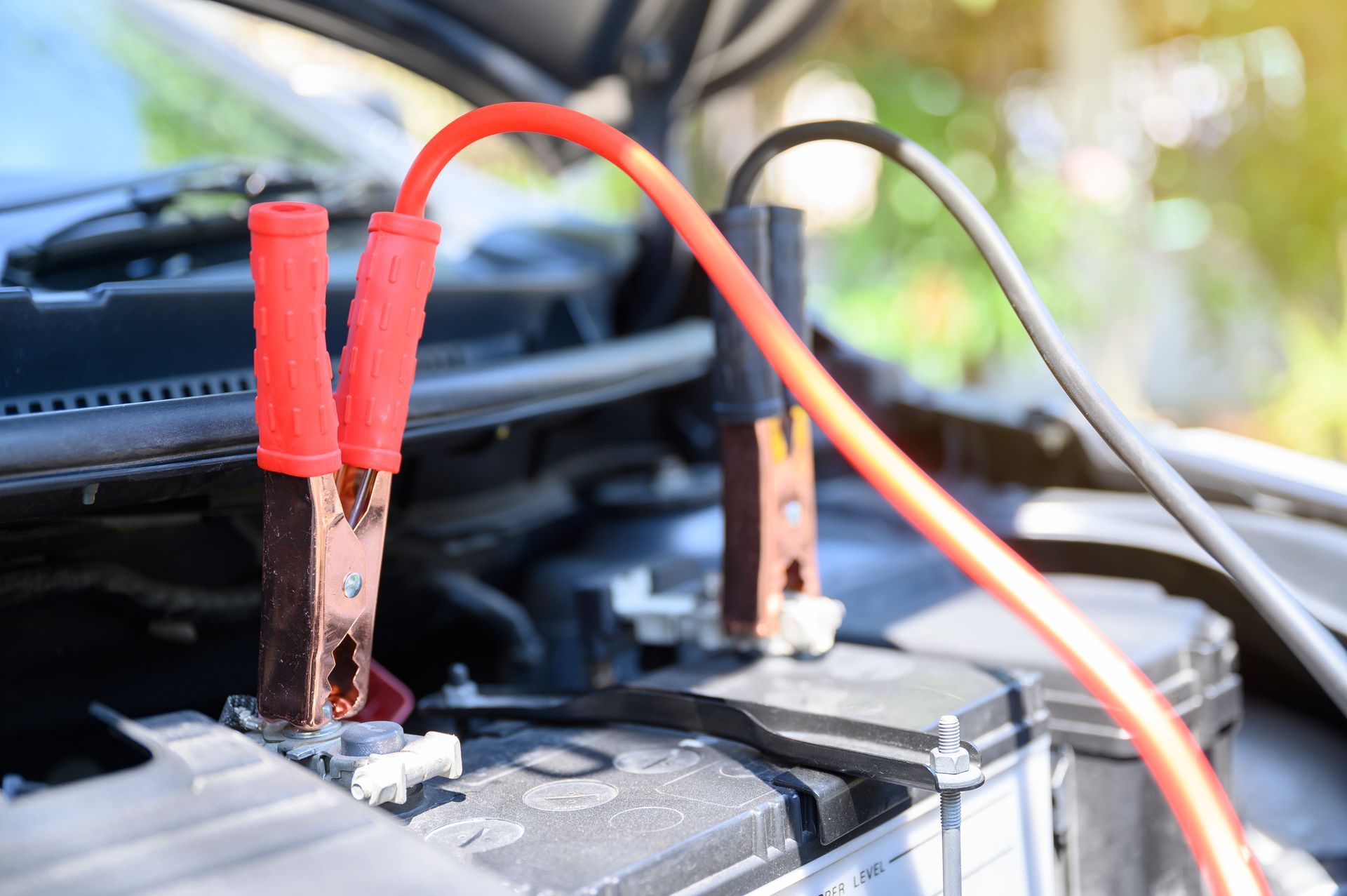
Can I just jump-start a dead battery and keep driving?
You can, but a "dead" battery may have internal damage. Driving on it puts massive stress on your alternator, which is a much more expensive repair.
Does it matter if I only take short trips?
Yes. Short trips don't give the alternator enough time to recharge the battery. An annual test is vital for "city" drivers.
Why Modern Batteries Give No Warning
In the past, you might hear a "slow crank" when your battery was dying. Today’s batteries often work perfectly right up until the moment they don’t. July heat accelerates the chemical reaction inside the battery, leading to internal lead plate damage. Replacing it proactively is much cheaper than an emergency tow.
Visit us at 631A Indian Trail Lilburn Rd. NW or call (470) 545-0143 for more details.