Walking out to your driveway and spotting a vibrant neon puddle beneath your front bumper is enough to ruin anyone’s morning. It looks like something out of a science fiction movie, but in the automotive world, that bright green liquid is a very clear signal that your cooling system is in trouble. While cars can leak all sorts of fluids, from dark engine oil to clear condensation from the air conditioner, nothing stands out quite like traditional antifreeze.
At our shop, we see these colorful puddles quite often. We know that the first instinct for many drivers is to ignore a small drip and hope it goes away. However, coolant is the lifeblood of your engine’s temperature control. Ignoring that green puddle today can lead to a massive repair bill tomorrow. Understanding what that fluid is and where it might be coming from is the first step toward keeping your car on the road and out of the scrapyard.
Identifying the Liquid
Traditional antifreeze, also known as coolant, has a very distinct look and feel. It is usually a bright lime green color, though some modern vehicles use shades of orange, pink, or even blue. Unlike engine oil, which is thick and slippery, coolant feels a bit watery but has a slightly slimy or sweet texture. One of the most dangerous things about this fluid is its smell. It has a very sugary, sweet aroma that is unfortunately attractive to pets and wildlife. Since antifreeze is extremely toxic, it is important to soak up any puddles immediately with cat litter or sand to keep the neighborhood animals safe.
Why Your Car Is Leaking Green
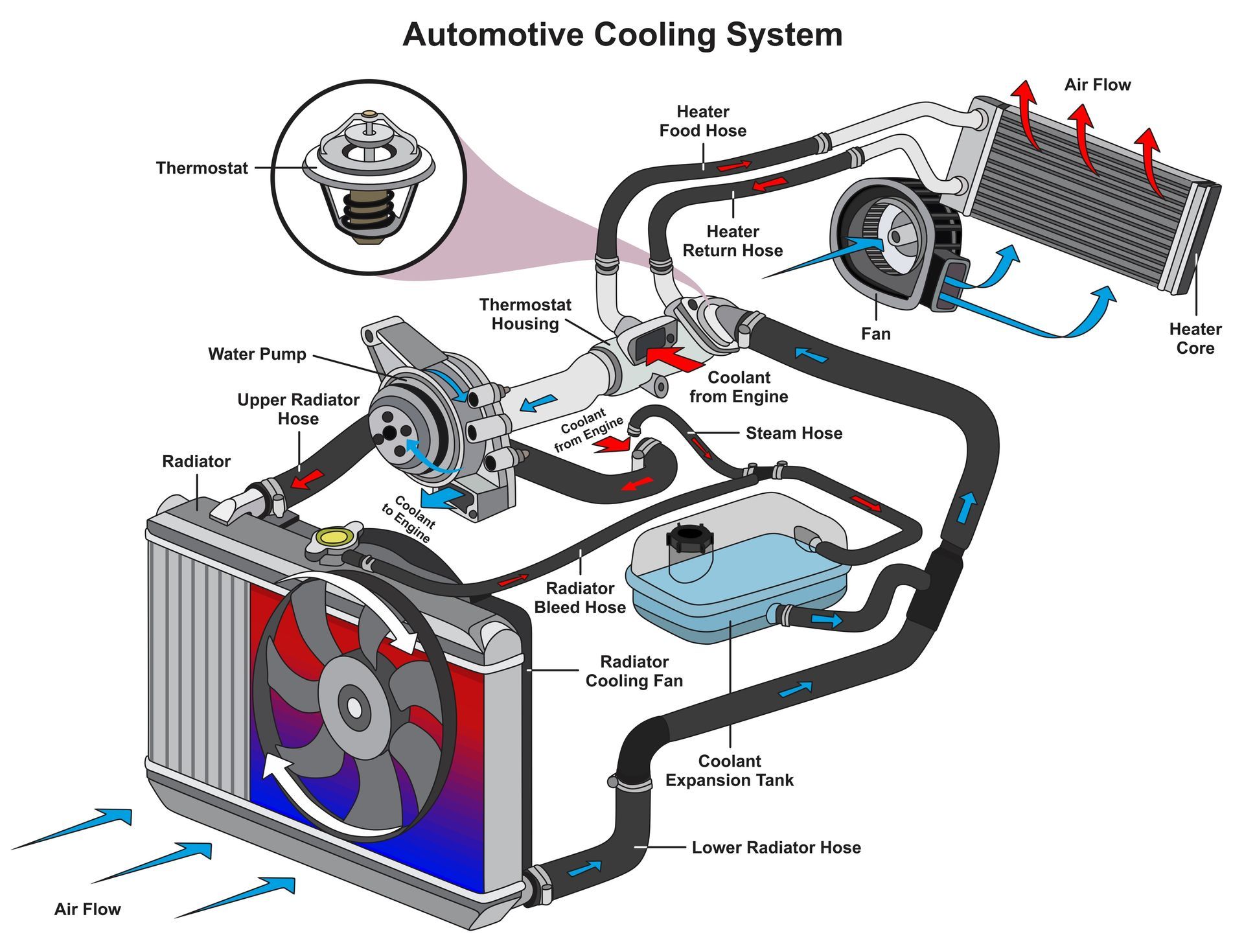
Your cooling system is a pressurized loop of rubber hoses, metal pipes, and plastic tanks. Because the system is under constant pressure and deals with extreme heat, there are dozens of places where a leak can start.
A Frayed or Cracked Hose: Rubber does not last forever. Over multiple years of driving, your radiator hoses can become brittle or soft. Eventually, the pressure becomes too much, and a tiny pinhole or a large split develops.
A Failing Water Pump: This part is responsible for circulating the coolant through the engine. It has a tiny hole called a weep hole that is designed to leak a little bit of fluid when the internal seal starts to fail. This is your car’s way of giving you a warning before the whole pump gives out.
Radiator Damage: Your radiator sits right at the front of the car, where it is vulnerable to rocks and road debris. A small stone kicked up by a truck can punch a hole in the delicate metal fins, leading to a steady green drip.
A Leaky Reservoir: Many modern cars use plastic overflow tanks. Over time, the constant heating and cooling can cause the plastic to crack, especially around the seams.
The Danger of Running Low
You might think that a small puddle is not a big deal as long as the car still drives. The problem is that your cooling system relies on a very specific amount of pressure to work correctly. When you have a leak, you lose that pressure, and the boiling point of the liquid drops.
As the coolant level goes down, air pockets begin to form inside the engine. These air pockets can cause hot spots that warp the metal of your cylinder heads or blow out your head gaskets. If you continue to drive a car that is leaking green fluid, you are essentially playing a game of chance with your engine. Once the temperature needle hits the red zone, the damage happens in seconds.
What to Do if You See the Puddle
If you spot a green puddle, the first thing you should do is check your coolant reservoir once the engine is completely cool. Never open a radiator cap or a pressurized tank while the engine is hot, because the boiling liquid can spray out and cause serious burns. If the level is low, you can top it off with the correct type of antifreeze or even plain water in an emergency.
However, topping it off is only a temporary fix. A leak will never fix itself and will almost always get worse at the most inconvenient time. If the puddle is larger than a dinner plate, it is probably best to have the car towed rather than risking a total engine meltdown on your way to the shop.
Dry Up Your Driveway
A cooling system leak is a problem that we can usually diagnose and fix quite quickly if we catch it early. Our team has the specialized pressure testing equipment needed to find those sneaky leaks that only happen when the engine is hot. Whether it is a simple hose replacement or a new water pump, the team at Apex Automotive Group LLC will get it sorted out so you can stop worrying. Give us a call or stop in to see us as soon as possible.