Most engine failures in the summer are 100% preventable. Your cooling system’s job is to move heat away from the engine; if it fails, the metal components can warp or melt in minutes.
The Offer: 15% OFF Cooling System Flush & Fill.
Frequently Asked Questions:
-Can I just put water in my radiator if it's low?
In an emergency, yes—but water lacks the boiling point protection and anti-corrosion properties of professional coolant.
-How often does coolant need to be flushed?
Most manufacturers recommend every 30,000 to 50,000 miles to prevent internal engine rust and scale buildup.
-What does it mean if I smell something sweet after driving?
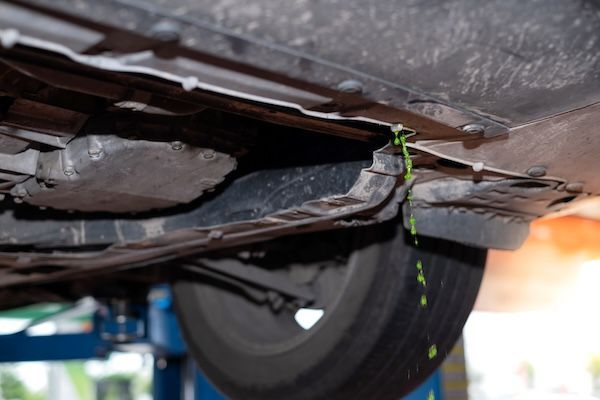
A sweet, syrupy smell is usually burning antifreeze. This indicates a leak in a hose, the radiator, or the heater core that needs immediate attention.
-Why is my car's temperature gauge fluctuating?
This often points to a failing thermostat or air bubbles trapped in the system, both of which can lead to sudden overheating.
-Can a bad cooling system affect my gas mileage?
Yes. If the engine runs too cold or too hot, it can’t burn fuel efficiently, leading to a noticeable drop in MPG.
Understanding the Components of Your Cooling System
To keep your engine running at the optimal temperature, several components must work in perfect harmony. The radiator acts as a heat exchanger, while the water pump circulates the coolant throughout the engine block. One often-overlooked part is the thermostat, which regulates the flow of coolant based on the engine's temperature.
If any of these parts fail or if your coolant is contaminated with "scale" (mineral buildup), your engine risks a catastrophic overheat. A professional cooling system flush doesn't just replace the fluid; it removes the acidic buildup that eats away at your gaskets and seals.
Visit us at 631A Indian Trail Lilburn Rd. NW or call (470) 545-0143 for more details.