7 Bad Driving Habits That Make Cars Wear Out Faster

March 27, 2026

Some cars pile on miles and still hold up well. Others seem to need repairs sooner than expected, even though they are driven less. A lot of that comes down to habits drivers repeat every day without thinking much about them.


1. Flooring It Before the Engine Warms Up


The first few minutes after startup are some of the hardest on the engine. Oil has not fully circulated, temperatures are still low, and metal parts have not settled into normal operating clearances yet. Pushing the engine hard right away adds stress at the exact time it has the least protection.


2. Braking Hard At the Last Second


Late, aggressive braking does more than wear out pads faster. It builds more heat in the brake system, works the rotors harder, and puts extra stress on the suspension every time the weight shifts forward sharply. Once that becomes a daily habit, brake wear usually shows up sooner and feels harsher.


3. Smacking Potholes and Curbs Like They Are No Big Deal


A hard hit from a pothole or curb does not always leave obvious damage right away, but that does not mean nothing happened. Tires, wheels, alignment angles, control arm bushings, and steering parts all take that impact. After enough of those hits, the car usually starts showing it through tire wear, steering pull, or suspension noise.


4. Driving Too Long on Low Tire Pressure


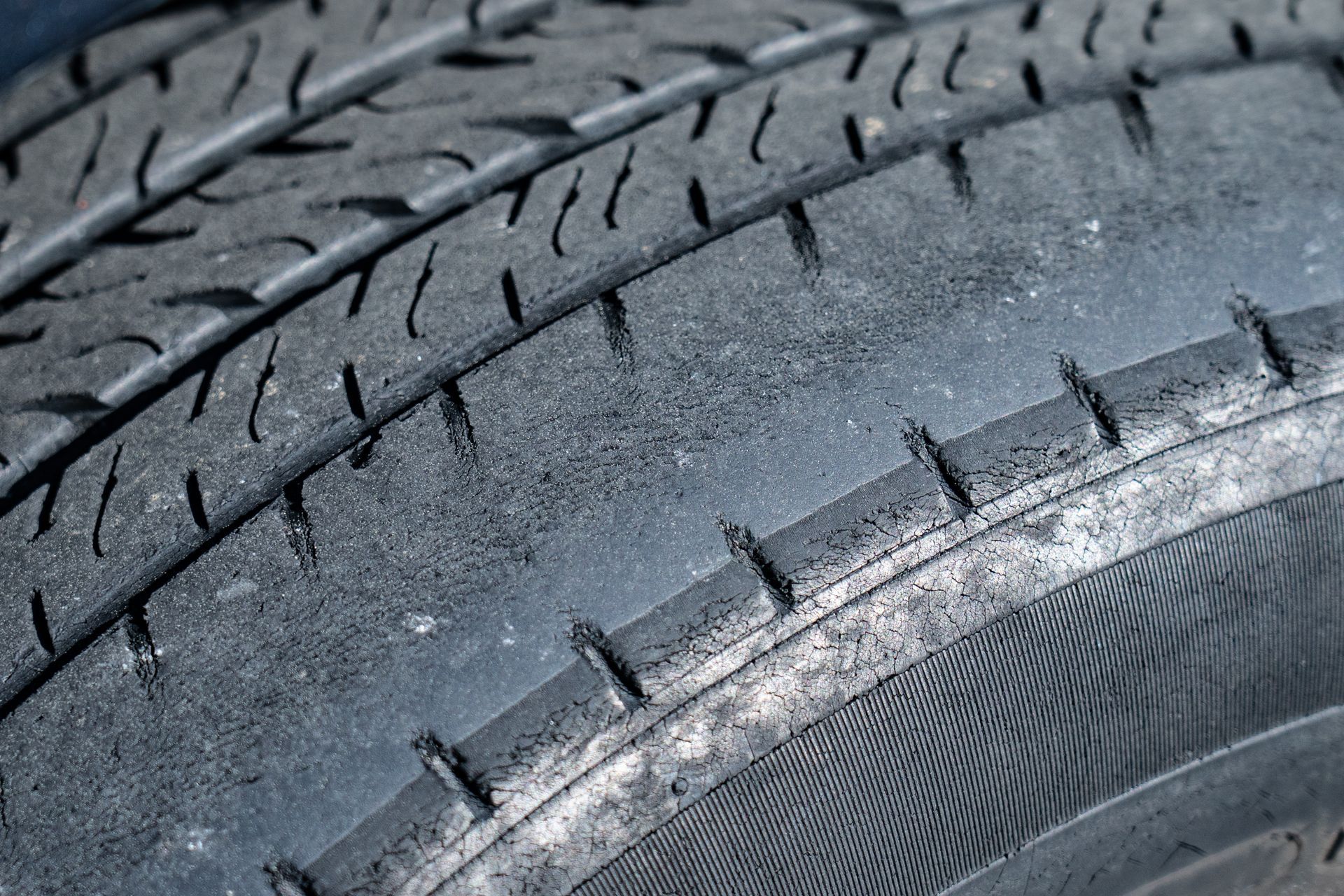
Low tire pressure changes more than fuel economy. It makes the tire flex more, build more heat, and wear out faster across the wrong parts of the tread. It can even make the car feel heavier, less stable, and slower to respond in turns or during hard stops.


5. Running the Fuel Tank Nearly Empty All the Time


A lot of drivers treat the fuel light like a suggestion. The problem is that low fuel levels can make the fuel pump work harder and run hotter, especially if this becomes a regular habit. Sediment and contamination in the tank are another concern, because the system has less margin when the tank keeps getting run close to empty.


6. Treating Short Trips Like Easy Driving


Short trips sound gentle, but they are usually rough on a vehicle. The engine may never fully warm up, moisture builds up faster, the battery has less time to recover from startup, and the oil does not get the same chance to do its job under stable conditions. That is one reason a low-mileage car can still end up in poor shape if most of its life is spent on quick local runs.


7. Ignoring the Early Warnings


A slight vibration, a soft brake feel, a burning smell, a chirp from under the hood, or a warning light that came on and went away are all ways the car tries to get your attention early. Drivers who keep going because the problem seems small usually end up dealing with a bigger repair later. Catching those changes during regular maintenance is a lot easier than waiting until the vehicle forces the issue.


Why These Habits Add Up Faster Than People Expect


None of these habits usually destroys a car in one week. The problem is repetition. Small extra stress, repeated every day, turns into earlier brake jobs, weaker batteries, rougher tires, worn suspension parts, and engines that feel older than their mileage should suggest.


That is why two similar cars can age very differently. One gets driven with a little more care and stays ahead of wear. The other keeps absorbing the same avoidable strain until the owner starts wondering why it always seems to need something.


What To Do Instead


The good news is that most of this is fixable through better habits, not major lifestyle changes. Let the engine settle before pushing it hard, keep enough air in the tires, avoid running the tank nearly empty, and stop treating small warning signs like background noise. A simple inspection, once something feels different, can save a lot of money and frustration later.


Cars last better when the driver pays attention to the little things. That is not about babying the vehicle. It is about not forcing extra wear where it does not need to happen.


Get Preventive Maintenance In Lilburn, GA, With Apex Automotive Group


If you want to catch wear early and keep everyday driving habits from aging your car faster than it should, Apex Automotive Group in Lilburn, GA, can help with the right service schedule and a thorough inspection before small problems turn into expensive ones.


Bring it in before the miles on the odometer stop matching the wear on the vehicle.
June 30, 2026
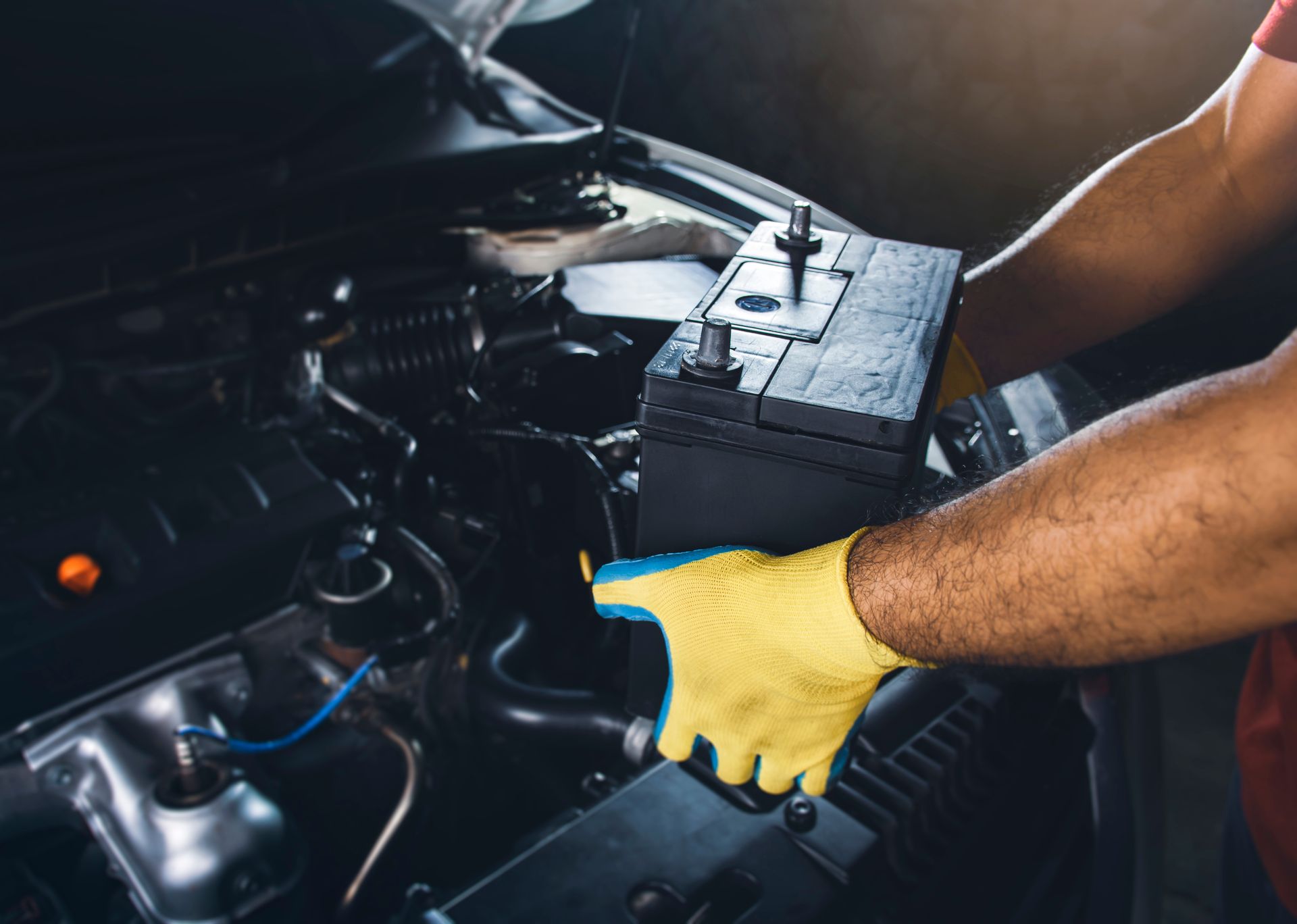
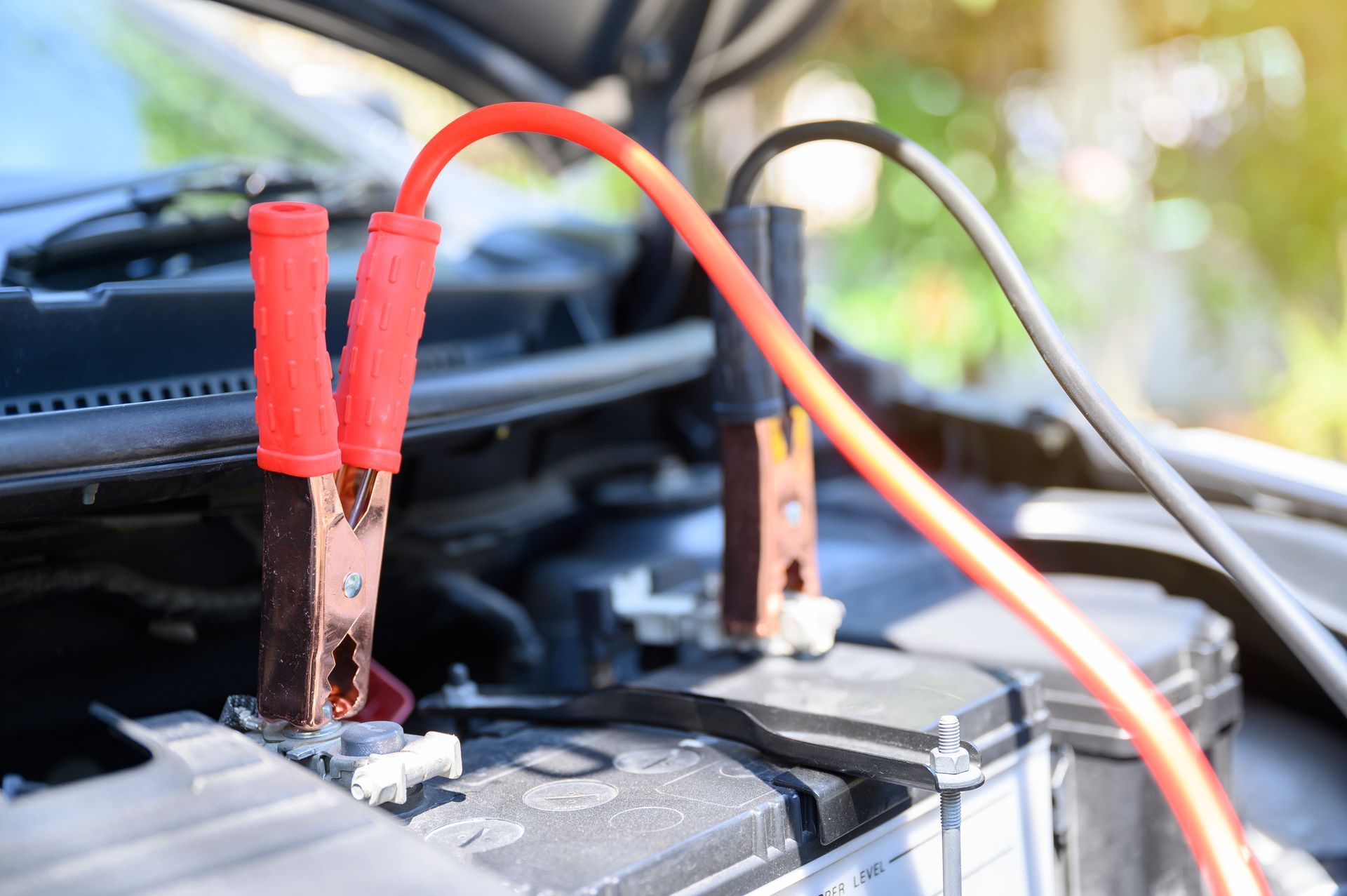
It’s a common myth that winter is the hardest season for batteries. In reality, July heat evaporates internal battery fluid and speeds up corrosion. The Offer: FREE Battery Health Test & $10 OFF a new replacement battery. Frequently Asked Questions My car starts fine; why should I test my battery? Modern batteries often fail without warning. A "load test" tells us if the battery is chemically failing before you get stranded. How long do car batteries usually last? On average, 3 to 5 years. In Georgia’s heat, 3 years is the standard. What is that white/blue powder on my battery terminals? That is corrosion (lead sulfate). It creates resistance that prevents your alternator from fully charging the battery. Can I just jump-start a dead battery and keep driving? You can, but a "dead" battery may have internal damage. Driving on it puts massive stress on your alternator, which is a much more expensive repair. Does it matter if I only take short trips? Yes. Short trips don't give the alternator enough time to recharge the battery. An annual test is vital for "city" drivers. Why Modern Batteries Give No Warning In the past, you might hear a "slow crank" when your battery was dying. Today’s batteries often work perfectly right up until the moment they don’t. July heat accelerates the chemical reaction inside the battery, leading to internal lead plate damage. Replacing it proactively is much cheaper than an emergency tow. Visit us at 631A Indian Trail Lilburn Rd. NW or call  (470) 545-0143  for more details.
The Truth About Trickle Chargers for Cars You Don't Drive Every Day | Apex Automotive Group
June 29, 2026
Apex Automotive Group explains the truth about trickle chargers, when to use one, when not to, and how they help protect cars that sit.
June 14, 2026
Your tires are the only thing touching the road. Did you know that high asphalt temperatures increase tire pressure and accelerate tread wear? The Offer: $50 REBATE on a set of 4 tires OR Free Rotation & Balance with any service. Frequently Asked Questions What is the "Penny Test" for tires? Place a penny in your tread with Lincoln's head upside down. If you can see the top of his head, your tread is too thin for safe driving. Does high heat affect tire pressure? Yes. For every 10-degree rise in temperature, tire pressure can increase by about 1 PSI. Should I check my tire pressure when the tires are hot? No. Always check pressure when tires are "cold" (driven less than a mile) to get an accurate reading based on manufacturer specs. What are those tiny cracks on my tire's sidewall? That’s called "dry rot," often caused by UV exposure. It weakens the tire structure and increases the risk of a blowout. Why does my car vibrate at highway speeds? This usually indicates your tires are out of balance. Our Free Rotation & Balance offer can solve this and prevent uneven wear. The Science of Summer Tire Wear Heat is the enemy of rubber. As the Georgia pavement reaches scorching temperatures, the air inside your tires expands. This can lead to over-inflation, which causes the center of your tread to wear down prematurely. Conversely, if your tires are under-inflated, the sidewalls flex more, generating even more internal heat. Keeping your tires rotated every 5,000 to 7,000 miles ensures even wear and a smoother ride. Visit us at 631A Indian Trail Lilburn Rd. NW or call  (470) 545-0143  for more details.
May 31, 2026
The secret to a stress-free family vacation isn't the snacks—it's knowing your car is reliable. Nothing ruins a trip to the coast like a breakdown 200 miles from home. The Offer: FREE 30-Point Road Trip Inspection with any Oil Change. Frequently Asked Questions: How long does a pre-trip inspection take? Usually about 45 minutes to an hour. It’s a small investment for a worry-free vacation. What are the most common road trip breakdowns? Blown tires, dead batteries, and overheated engines top the list—all of which we check during our inspection. Do you check the spare tire during the inspection? Absolutely. A spare is useless if it’s flat, so we check its pressure and condition along with your main tires. Should I get my AC checked before a road trip? Yes. We test the vent temperature and inspect for leaks to ensure you aren't stuck in 90-degree heat for hours. Is it necessary to check my wiper blades for a summer trip? Summer storms can be intense. We ensure your blades are supple and your washer fluid is topped off for maximum visibility. The Peace of Mind of a 30-Point Inspection When we perform a road trip inspection, we look at the "hidden" systems that drivers often overlook. This includes checking the serpentine belt for cracks, ensuring your wiper blades can handle a sudden summer downpour, and inspecting the undercarriage for fluid leaks. Taking an hour to have your vehicle vetted by a professional technician ensures that your family’s memories are made at your destination, not on the shoulder of the highway. Visit us at 631A Indian Trail Lilburn Rd. NW or call  (470) 545-0143  for more details.
Can Car Detailing Increase Your Vehicle's Resale Value? | Apex Automotive Group
May 29, 2026
Apex Automotive Group in Lilburn, GA, explains whether car detailing can help increase resale value.
May 17, 2026
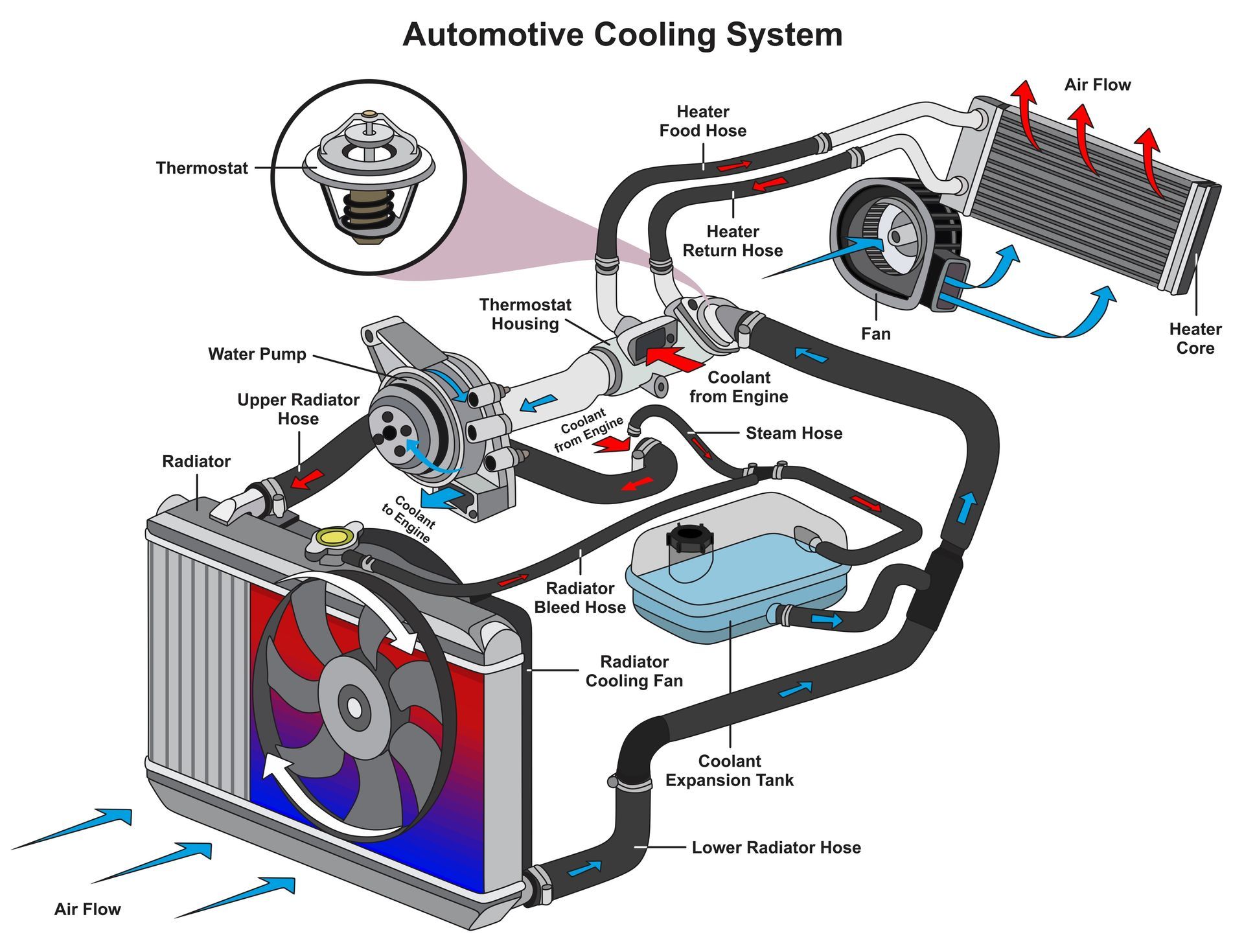
Most engine failures in the summer are 100 % preventable. Your cooling system’s job is to move heat away from the engine; if it fails, the metal components can warp or melt in minutes. The Offer: 15% OFF Cooling System Flush & Fill. Frequently Asked Questions: -Can I just put water in my radiator if it's low? In an emergency, yes—but water lacks the boiling point protection and anti-corrosion properties of professional coolant. -How often does coolant need to be flushed? Most manufacturers recommend every 30,000 to 50,000 miles to prevent internal engine rust and scale buildup. -What does it mean if I smell something sweet after driving? A sweet, syrupy smell is usually burning antifreeze. This indicates a leak in a hose, the radiator, or the heater core that needs immediate attention. -Why is my car's temperature gauge fluctuating? This often points to a failing thermostat or air bubbles trapped in the system, both of which can lead to sudden overheating. -Can a bad cooling system affect my gas mileage? Yes. If the engine runs too cold or too hot, it can’t burn fuel efficiently, leading to a noticeable drop in MPG. Understanding the Components of Your Cooling System To keep your engine running at the optimal temperature, several components must work in perfect harmony. The radiator acts as a heat exchanger, while the water pump circulates the coolant throughout the engine block. One often-overlooked part is the thermostat, which regulates the flow of coolant based on the engine's temperature. If any of these parts fail or if your coolant is contaminated with "scale" (mineral buildup), your engine risks a catastrophic overheat. A professional cooling system flush doesn't just replace the fluid; it removes the acidic buildup that eats away at your gaskets and seals. Visit us at 631A Indian Trail Lilburn Rd. NW or call  (470) 545-0143  for more details.
May 4, 2026
The Georgia humidity is about to arrive. If you turn on your vents and feel a breeze that's more " sauna " than " arctic ," you aren't alone. Automotive A/C systems are complex, and even a tiny leak can cause the whole system to fail. At Apex Automotive Group, we don't just " add Freon ." We perform a full performance test to ensure your compressor is healthy and your cabin stays comfortable all summer long. The Offer: $25 OFF A/C Evacuation and Recharge Service. Frequently Asked Questions Why is my A/C cold at first but then gets warm? This often indicates a clogged expansion valve or a failing clutch on the compressor. It’s best to have it pressure-tested. Is an A/C "recharge" just a temporary fix? If there is a leak, yes. Our service includes a leak check to ensure your "cool" lasts all summer. Stop sweating your commute. Visit us at 631A Indian Trail Lilburn Rd. NW or call  (470) 545-0143  .
Green coolant fluid leak | Apex Automotive Group LLC in Lilburn, GA
April 28, 2026
Spotted a bright green puddle under your car? Learn what this mysterious fluid is from Apex Automotive Group LLC in Lilburn, GA.
April 14, 2026
They say April showers bring May flowers, but they also bring some of the most dangerous driving conditions of the year. 90 % of your driving decisions are based on what you see through that glass. If your wipers are streaking, you’re driving partially blind. At Apex Automotive Group, we believe visibility is the most underrated safety feature on your vehicle. Standard wiper blades are made of rubber that dry-rots and cracks over time, especially with the Georgia sun beating down on them. The Visibility Special: Get a FREE Rain-X Windshield Treatment with any Wiper Blade replacement this month! Frequently Asked Questions How often should I replace my wiper blades? We recommend every 6 to 12 months. If you hear a "chattering" noise or see streaks during rain, it’s time for a change. Does windshield treatment really help? Yes! Hydrophobic treatments like Rain-X cause water to bead up and roll off instantly. At highway speeds, you often won't even need your wipers because the water clears so fast. Don't drive in the dark. Stop by Apex Automotive Group at 631A Indian Trail Lilburn Rd. NW or give us a ring at  (470) 545-0143  . We’ll get you back on the road with a clear view.
April 3, 2026
Winter in Georgia might not always bring feet of snow, but the fluctuating temperatures and heavy rains create the perfect recipe for potholes. If you’ve felt your car "tugging" to one side lately, you aren't imagining it. At Apex Automotive Group, we see the results of winter wear every April. When your suspension is knocked out of alignment, your tires don’t sit flat on the road. This leads to "scrubbing," which can ruin a brand-new set of tires in just a few months. The Spring Special: Mention this blog post and get $20 OFF any Suspension or Alignment Service throughout April! Frequently Asked Questions How do I know if my alignment is off? Common signs include the steering wheel pulling to one side, uneven tire wear, or a steering wheel that sits crooked when you’re driving straight. Can a single pothole really ruin my alignment? Absolutely. Hitting a deep pothole can bend metal suspension components or knock your wheels out of their precise factory specifications instantly. Ready to straighten things out? Visit us at 631A Indian Trail Lilburn Rd. NW, Lilburn, GA 30047 or call us at  (470) 545-0143  to book your appointment.