Why a Post-Winter Alignment is Non-Negotiable for Lilburn Drivers

April 3, 2026

Winter in Georgia might not always bring feet of snow, but the fluctuating temperatures and heavy rains create the perfect recipe for potholes. If you’ve felt your car "tugging" to one side lately, you aren't imagining it.


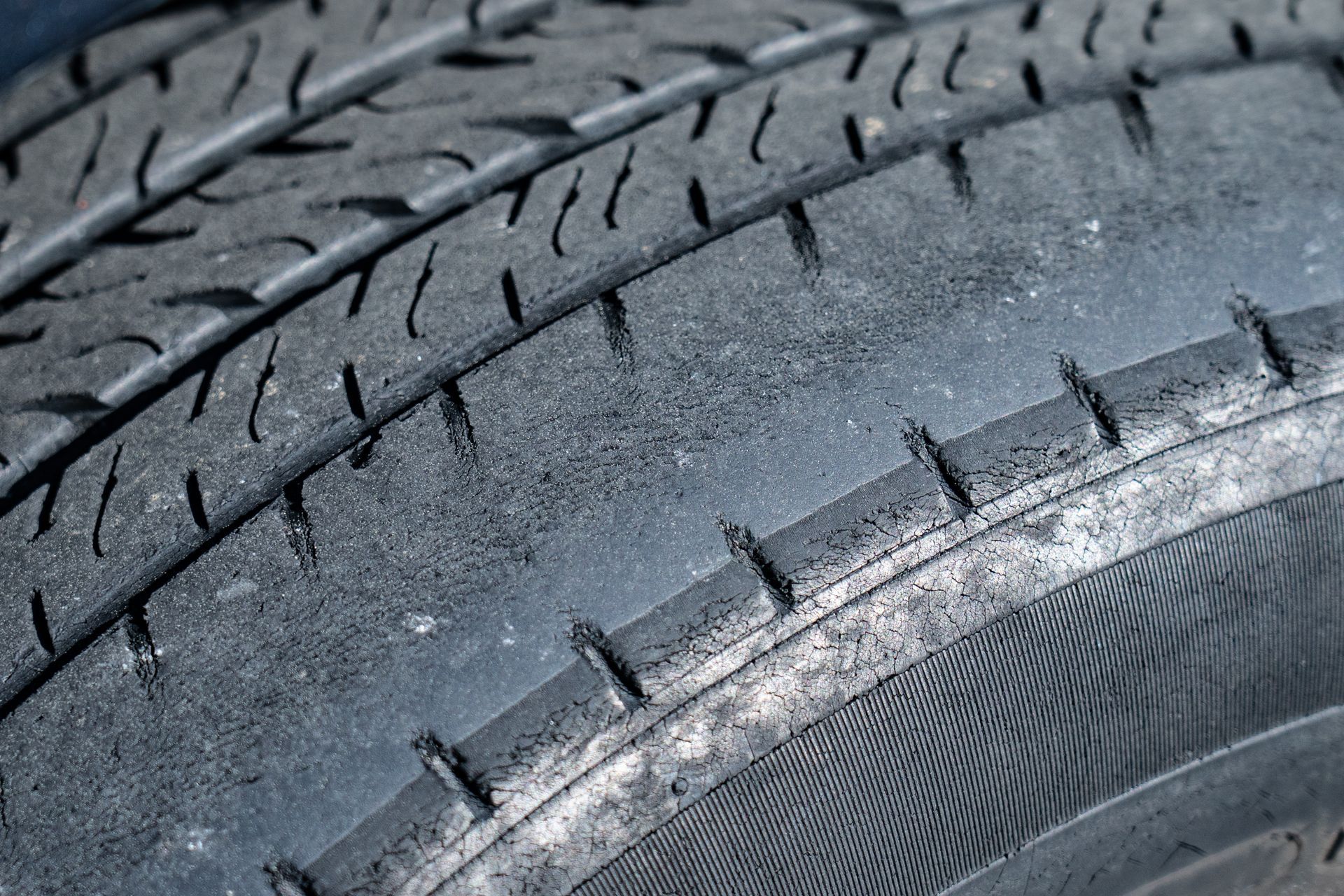
At Apex Automotive Group, we see the results of winter wear every April. When your suspension is knocked out of alignment, your tires don’t sit flat on the road. This leads to "scrubbing," which can ruin a brand-new set of tires in just a few months.


The Spring Special: Mention this blog post and get $20 OFF any Suspension or Alignment Service throughout April!


Frequently Asked Questions


How do I know if my alignment is off? Common signs include the steering wheel pulling to one side, uneven tire wear, or a steering wheel that sits crooked when you’re driving straight.

Can a single pothole really ruin my alignment? Absolutely. Hitting a deep pothole can bend metal suspension components or knock your wheels out of their precise factory specifications instantly.

Ready to straighten things out?

Visit us at
631A Indian Trail Lilburn Rd. NW, Lilburn, GA 30047 or call us at (470) 545-0143 to book your appointment.
August 16, 2026
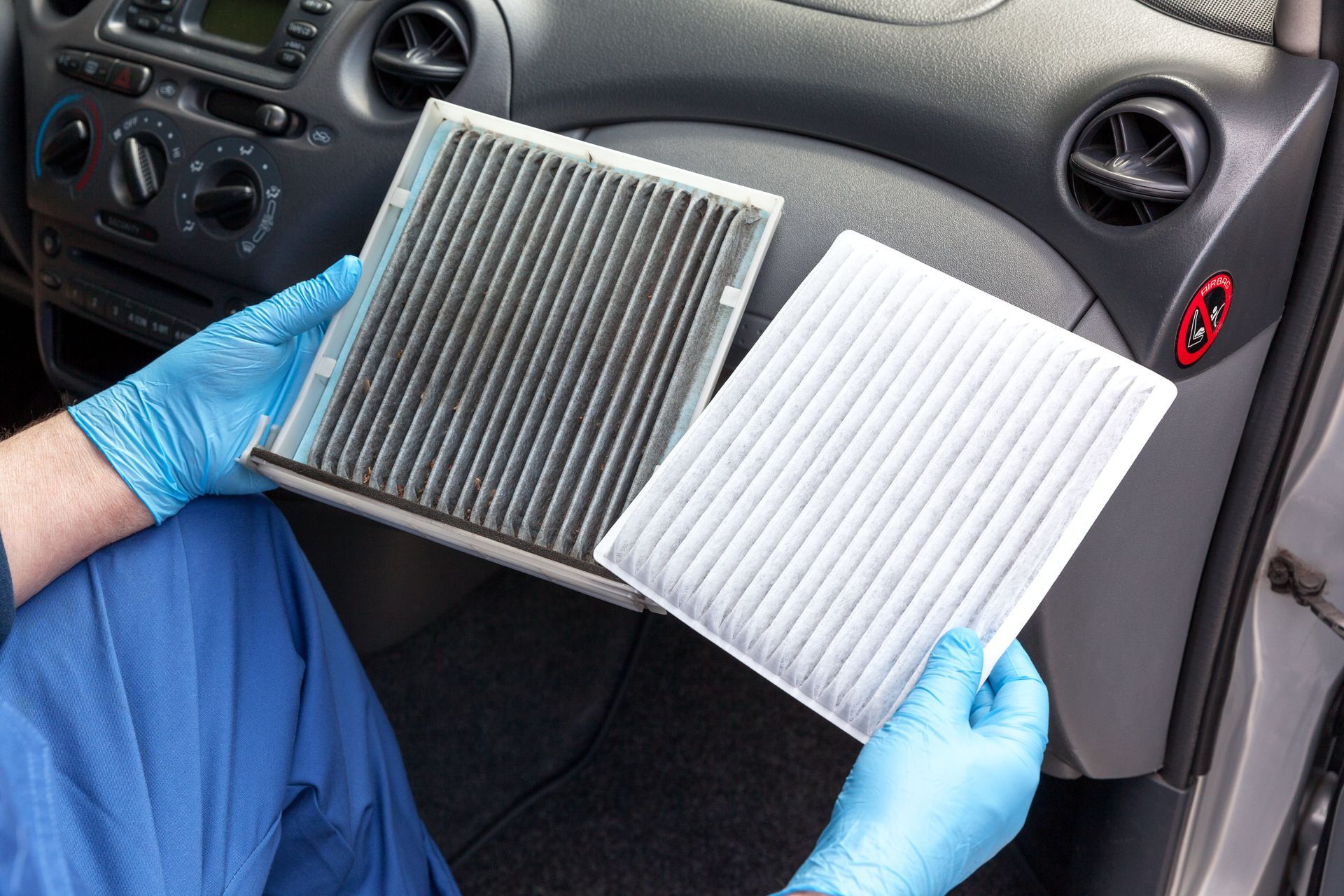
Summer road trip dust and pollen can clog your car's " lungs ." Before the fall commute begins, clear out the allergens and ensure your oil is fresh. The Offer: The Commuter Special: $89.99 (Oil Change + Cabin Filter + Inspection). Frequently Asked Questions What does a cabin air filter actually do? It cleans the air entering your vents, trapping dust and pollen before you breathe it in. Why change oil after summer? Heat breaks down oil's ability to lubricate. Fresh oil is essential for the stop-and-go traffic of the school year. How do I know if my cabin filter is dirty? Common signs include a musty smell when you turn on the AC, reduced airflow from vents, or increased dust on your dashboard. Does a dirty air filter affect my gas mileage? While the cabin filter affects your air, the engine air filter definitely affects MPG. We check both during our inspection. Is synthetic oil better for commuting? Synthetic oil handles high heat and stop-and-go traffic much better than conventional oil, offering better protection for your engine. Breathing Easy During the Fall Commute After a summer of driving through dust and construction, your cabin air filter is likely restricted. A clogged filter also puts extra strain on your HVAC system, making your A/C work harder and reducing fuel efficiency. Pairing a filter replacement with a fresh oil change ensures your engine is lubricated and your cabin air is clean as you head back into the school-year routine. Visit us at 631A Indian Trail Lilburn Rd. NW or call  (470) 545-0143  for more details.
August 2, 2026
With school zones and morning traffic returning to Lilburn, your brakes need to be at 100% . If you hear squealing or feel a pulse in the pedal, don't wait. The Offer: $30 OFF Front or Rear Brake Pad Replacement. Frequently Asked Questions Why are my brakes squealing? Most pads have a built-in "wear indicator" tab that makes a noise to warn you that the pads are getting thin. Should I resurface or replace my rotors? If the rotors aren't warped or too thin, we can resurface them. Otherwise, replacement is necessary for safety. Why does my brake pedal feel "spongy"? This usually means there is air or moisture in your brake lines. It requires a "brake bleed" to restore firm stopping power. How often should I have my brake fluid flushed? Most manufacturers recommend every 2 years, as fluid absorbs moisture which can corrode your system from the inside. What is that vibrating feeling when I brake? That’s typically caused by "warped" rotors. They need to be measured and likely resurfaced or replaced to ensure smooth stops. Anatomy of a Braking System Braking in school zones requires precision. When you press the pedal, hydraulic fluid engages the calipers, which squeeze the brake pads against the rotors. We don't just "slap on pads." Our technicians inspect the brake lines for leaks and check the condition of your brake fluid, ensuring your system is responsive for those sudden stops in Lilburn’s school districts. Visit us at 631A Indian Trail Lilburn Rd. NW or call  (470) 545-0143  for more details.
Headlight Restoration: Safety and Curb Appeal - Apex Automotive Group LLC
July 14, 2026
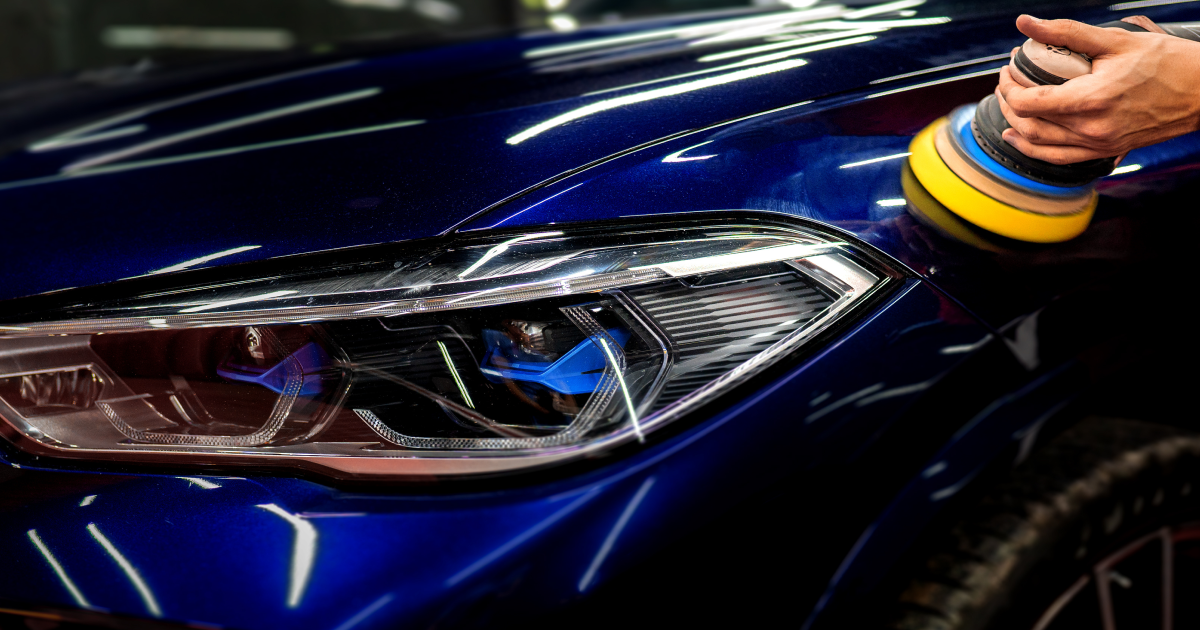
Our headlight restoration process involves removing the damaged plastic and applying a professional-grade UV-resistant clear coat.
June 30, 2026
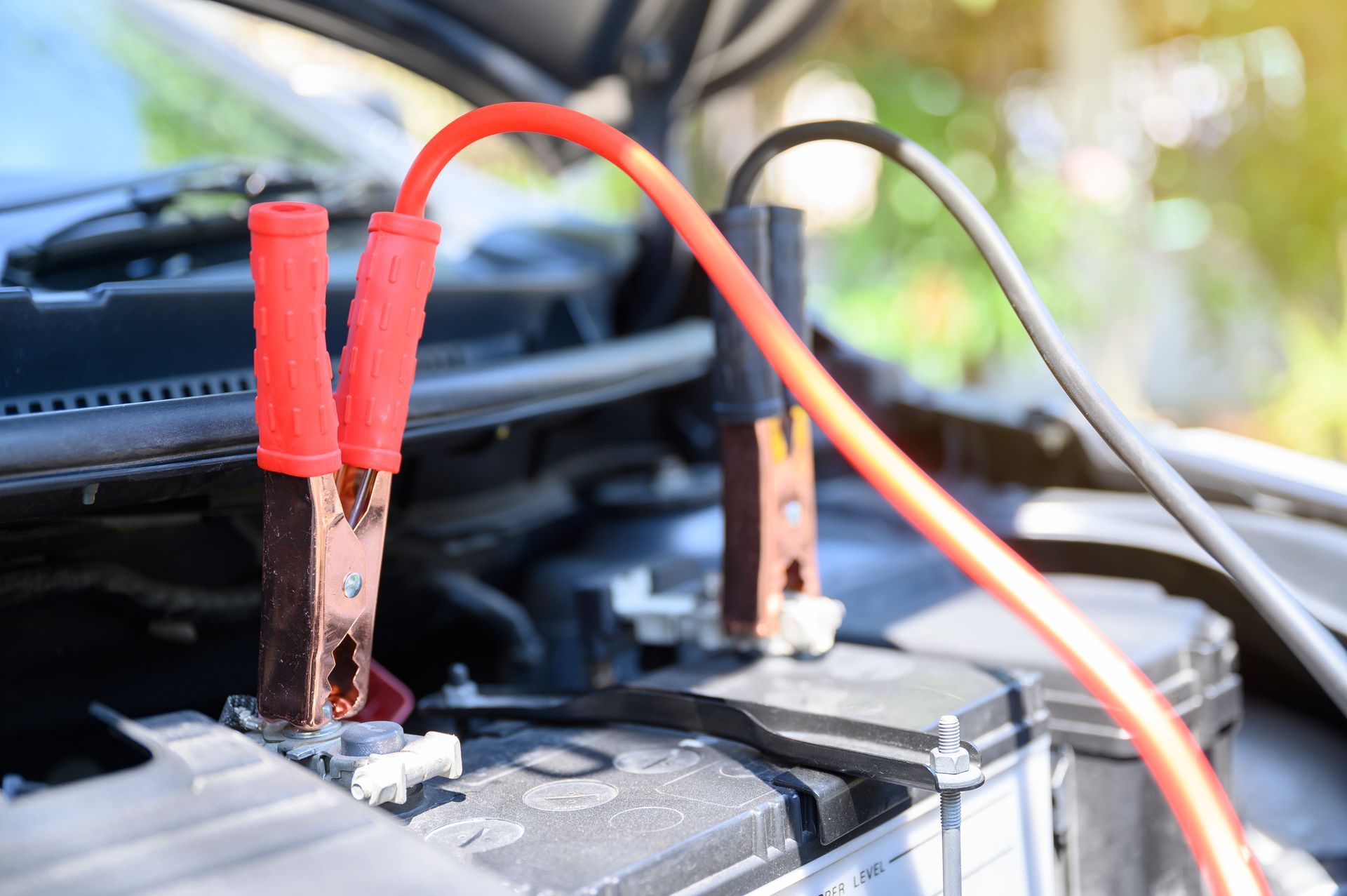
It’s a common myth that winter is the hardest season for batteries. In reality, July heat evaporates internal battery fluid and speeds up corrosion. The Offer: FREE Battery Health Test & $10 OFF a new replacement battery. Frequently Asked Questions My car starts fine; why should I test my battery? Modern batteries often fail without warning. A "load test" tells us if the battery is chemically failing before you get stranded. How long do car batteries usually last? On average, 3 to 5 years. In Georgia’s heat, 3 years is the standard. What is that white/blue powder on my battery terminals? That is corrosion (lead sulfate). It creates resistance that prevents your alternator from fully charging the battery. Can I just jump-start a dead battery and keep driving? You can, but a "dead" battery may have internal damage. Driving on it puts massive stress on your alternator, which is a much more expensive repair. Does it matter if I only take short trips? Yes. Short trips don't give the alternator enough time to recharge the battery. An annual test is vital for "city" drivers. Why Modern Batteries Give No Warning In the past, you might hear a "slow crank" when your battery was dying. Today’s batteries often work perfectly right up until the moment they don’t. July heat accelerates the chemical reaction inside the battery, leading to internal lead plate damage. Replacing it proactively is much cheaper than an emergency tow. Visit us at 631A Indian Trail Lilburn Rd. NW or call  (470) 545-0143  for more details.
The Truth About Trickle Chargers for Cars You Don't Drive Every Day | Apex Automotive Group
June 29, 2026
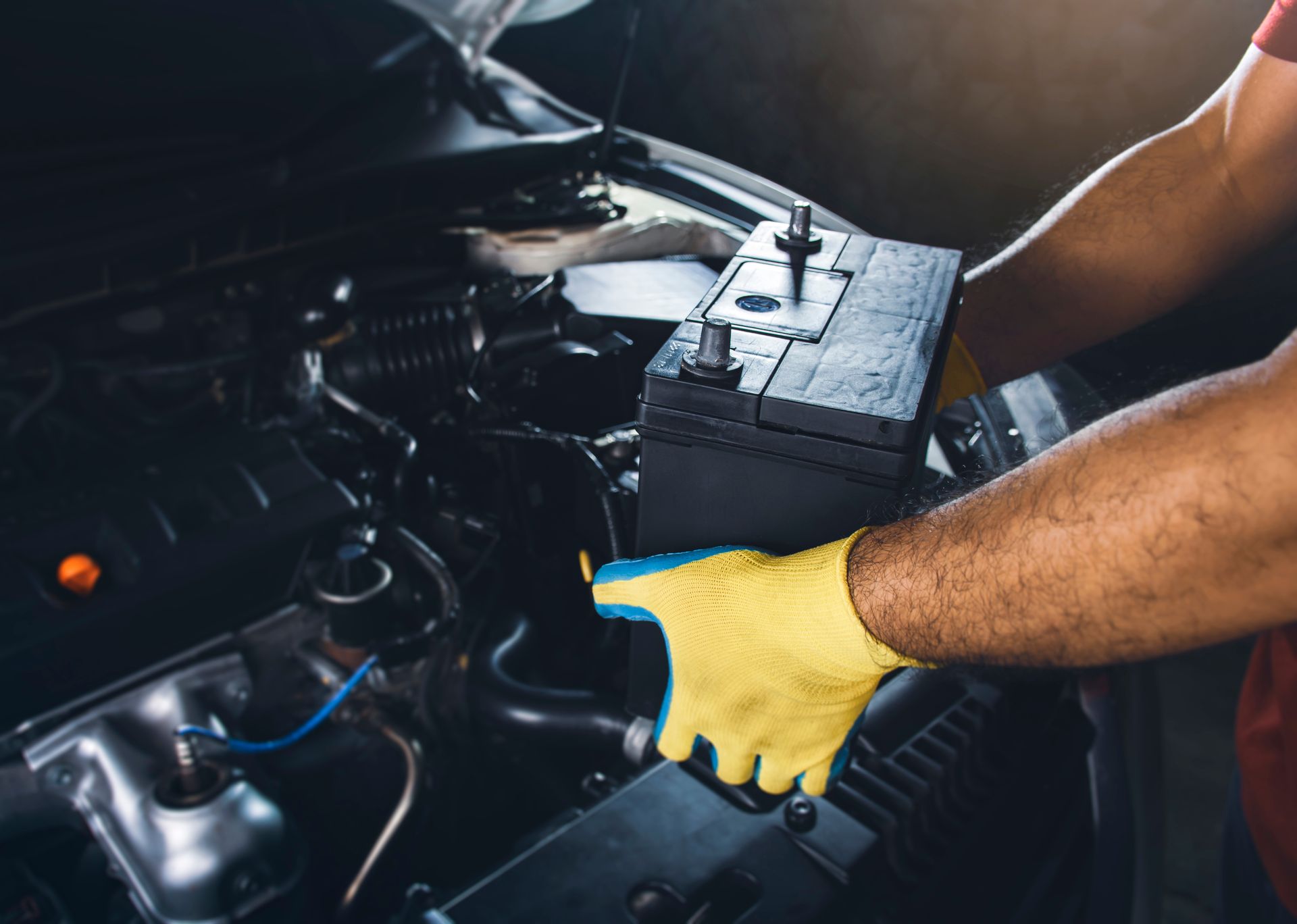
Apex Automotive Group explains the truth about trickle chargers, when to use one, when not to, and how they help protect cars that sit.
June 14, 2026
Your tires are the only thing touching the road. Did you know that high asphalt temperatures increase tire pressure and accelerate tread wear? The Offer: $50 REBATE on a set of 4 tires OR Free Rotation & Balance with any service. Frequently Asked Questions What is the "Penny Test" for tires? Place a penny in your tread with Lincoln's head upside down. If you can see the top of his head, your tread is too thin for safe driving. Does high heat affect tire pressure? Yes. For every 10-degree rise in temperature, tire pressure can increase by about 1 PSI. Should I check my tire pressure when the tires are hot? No. Always check pressure when tires are "cold" (driven less than a mile) to get an accurate reading based on manufacturer specs. What are those tiny cracks on my tire's sidewall? That’s called "dry rot," often caused by UV exposure. It weakens the tire structure and increases the risk of a blowout. Why does my car vibrate at highway speeds? This usually indicates your tires are out of balance. Our Free Rotation & Balance offer can solve this and prevent uneven wear. The Science of Summer Tire Wear Heat is the enemy of rubber. As the Georgia pavement reaches scorching temperatures, the air inside your tires expands. This can lead to over-inflation, which causes the center of your tread to wear down prematurely. Conversely, if your tires are under-inflated, the sidewalls flex more, generating even more internal heat. Keeping your tires rotated every 5,000 to 7,000 miles ensures even wear and a smoother ride. Visit us at 631A Indian Trail Lilburn Rd. NW or call  (470) 545-0143  for more details.
May 31, 2026
The secret to a stress-free family vacation isn't the snacks—it's knowing your car is reliable. Nothing ruins a trip to the coast like a breakdown 200 miles from home. The Offer: FREE 30-Point Road Trip Inspection with any Oil Change. Frequently Asked Questions: How long does a pre-trip inspection take? Usually about 45 minutes to an hour. It’s a small investment for a worry-free vacation. What are the most common road trip breakdowns? Blown tires, dead batteries, and overheated engines top the list—all of which we check during our inspection. Do you check the spare tire during the inspection? Absolutely. A spare is useless if it’s flat, so we check its pressure and condition along with your main tires. Should I get my AC checked before a road trip? Yes. We test the vent temperature and inspect for leaks to ensure you aren't stuck in 90-degree heat for hours. Is it necessary to check my wiper blades for a summer trip? Summer storms can be intense. We ensure your blades are supple and your washer fluid is topped off for maximum visibility. The Peace of Mind of a 30-Point Inspection When we perform a road trip inspection, we look at the "hidden" systems that drivers often overlook. This includes checking the serpentine belt for cracks, ensuring your wiper blades can handle a sudden summer downpour, and inspecting the undercarriage for fluid leaks. Taking an hour to have your vehicle vetted by a professional technician ensures that your family’s memories are made at your destination, not on the shoulder of the highway. Visit us at 631A Indian Trail Lilburn Rd. NW or call  (470) 545-0143  for more details.
Can Car Detailing Increase Your Vehicle's Resale Value? | Apex Automotive Group
May 29, 2026
Apex Automotive Group in Lilburn, GA, explains whether car detailing can help increase resale value.
May 17, 2026
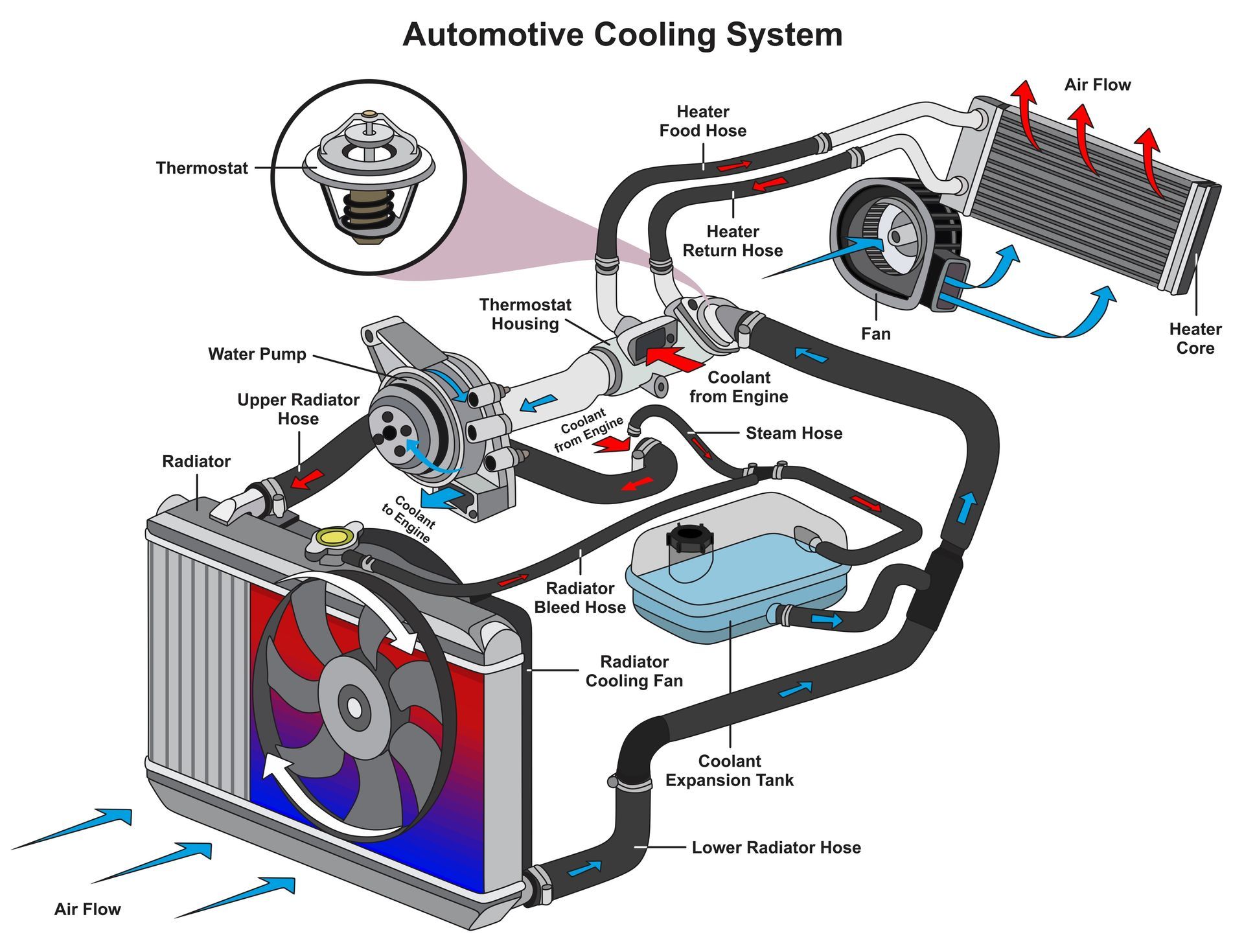
Most engine failures in the summer are 100 % preventable. Your cooling system’s job is to move heat away from the engine; if it fails, the metal components can warp or melt in minutes. The Offer: 15% OFF Cooling System Flush & Fill. Frequently Asked Questions: -Can I just put water in my radiator if it's low? In an emergency, yes—but water lacks the boiling point protection and anti-corrosion properties of professional coolant. -How often does coolant need to be flushed? Most manufacturers recommend every 30,000 to 50,000 miles to prevent internal engine rust and scale buildup. -What does it mean if I smell something sweet after driving? A sweet, syrupy smell is usually burning antifreeze. This indicates a leak in a hose, the radiator, or the heater core that needs immediate attention. -Why is my car's temperature gauge fluctuating? This often points to a failing thermostat or air bubbles trapped in the system, both of which can lead to sudden overheating. -Can a bad cooling system affect my gas mileage? Yes. If the engine runs too cold or too hot, it can’t burn fuel efficiently, leading to a noticeable drop in MPG. Understanding the Components of Your Cooling System To keep your engine running at the optimal temperature, several components must work in perfect harmony. The radiator acts as a heat exchanger, while the water pump circulates the coolant throughout the engine block. One often-overlooked part is the thermostat, which regulates the flow of coolant based on the engine's temperature. If any of these parts fail or if your coolant is contaminated with "scale" (mineral buildup), your engine risks a catastrophic overheat. A professional cooling system flush doesn't just replace the fluid; it removes the acidic buildup that eats away at your gaskets and seals. Visit us at 631A Indian Trail Lilburn Rd. NW or call  (470) 545-0143  for more details.
May 4, 2026
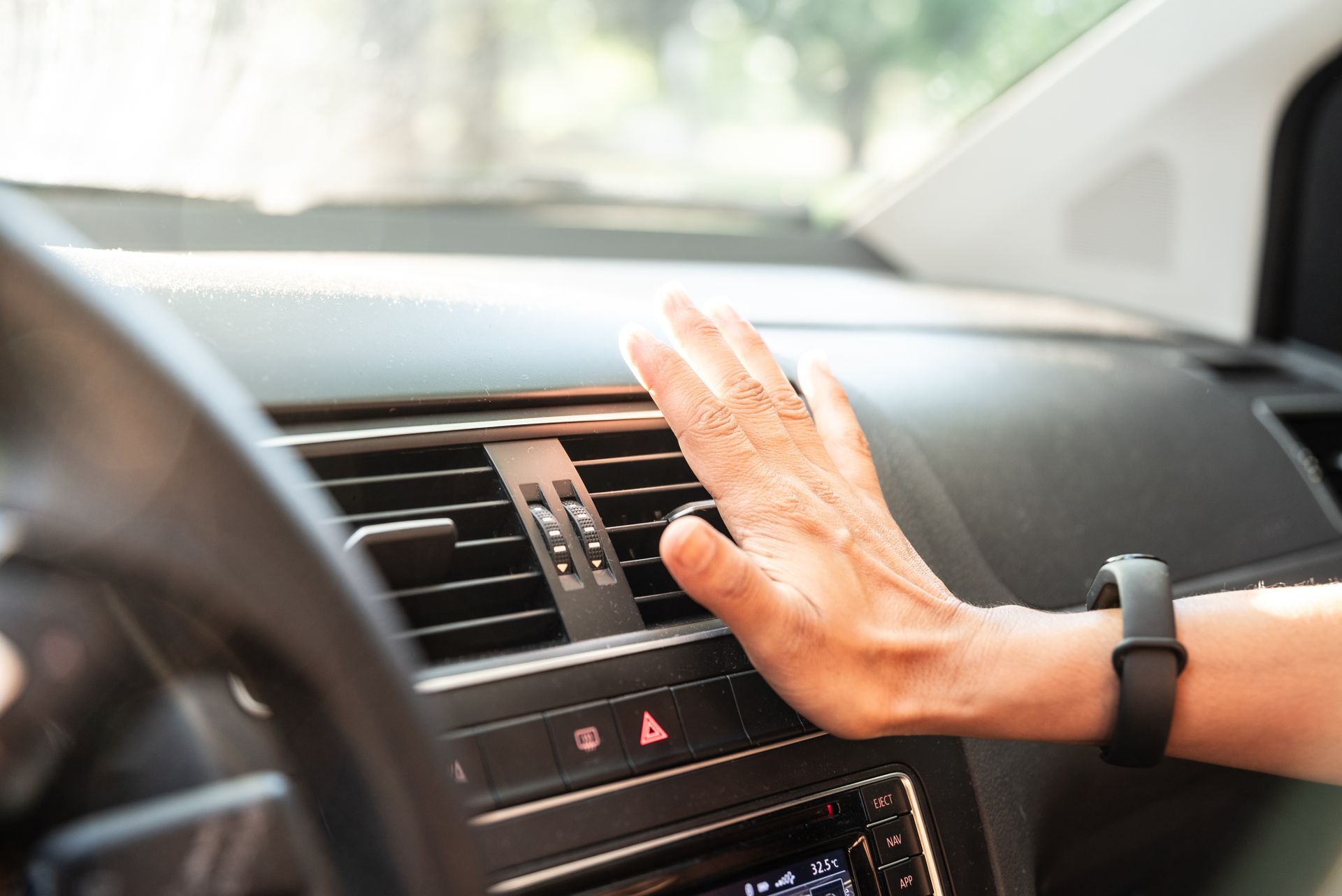
The Georgia humidity is about to arrive. If you turn on your vents and feel a breeze that's more " sauna " than " arctic ," you aren't alone. Automotive A/C systems are complex, and even a tiny leak can cause the whole system to fail. At Apex Automotive Group, we don't just " add Freon ." We perform a full performance test to ensure your compressor is healthy and your cabin stays comfortable all summer long. The Offer: $25 OFF A/C Evacuation and Recharge Service. Frequently Asked Questions Why is my A/C cold at first but then gets warm? This often indicates a clogged expansion valve or a failing clutch on the compressor. It’s best to have it pressure-tested. Is an A/C "recharge" just a temporary fix? If there is a leak, yes. Our service includes a leak check to ensure your "cool" lasts all summer. Stop sweating your commute. Visit us at 631A Indian Trail Lilburn Rd. NW or call  (470) 545-0143  .